September 11, 2026
The Dashboard: Where Connectivity Becomes Control
The dashboard
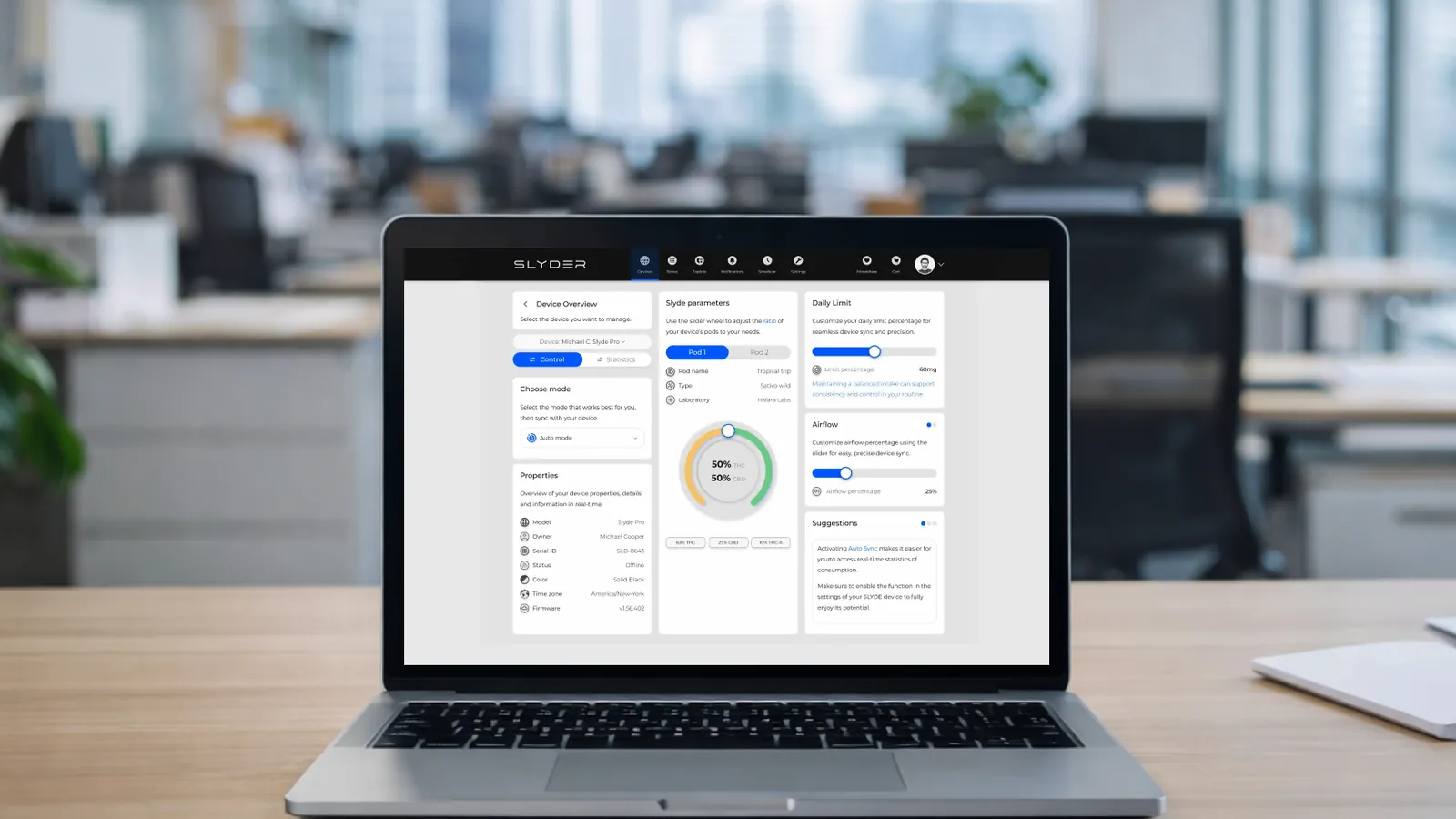
Slyder is built as an ecosystem. The device is where you take a draw or run a session. The dashboard is where that becomes something you can shape, track, and repeat.
The device works on its own. Connected, it keeps a record: what you set, what you ran, and what you logged afterward.
The point of the dashboard
Most devices are set-and-forget. Slyder Pro is built to carry your settings forward. The dashboard does two things:
- Gives you a clearer space to manage sessions and settings.
- Collects the data that turns individual draws and sessions into patterns you can use.
Connected, the device and the dashboard are one system. The dashboard supports what you set on-device, and the device feeds back what it recorded. In practice: less rework, fewer resets, and settings that stay consistent instead of being rebuilt each time.
Why the dashboard is useful
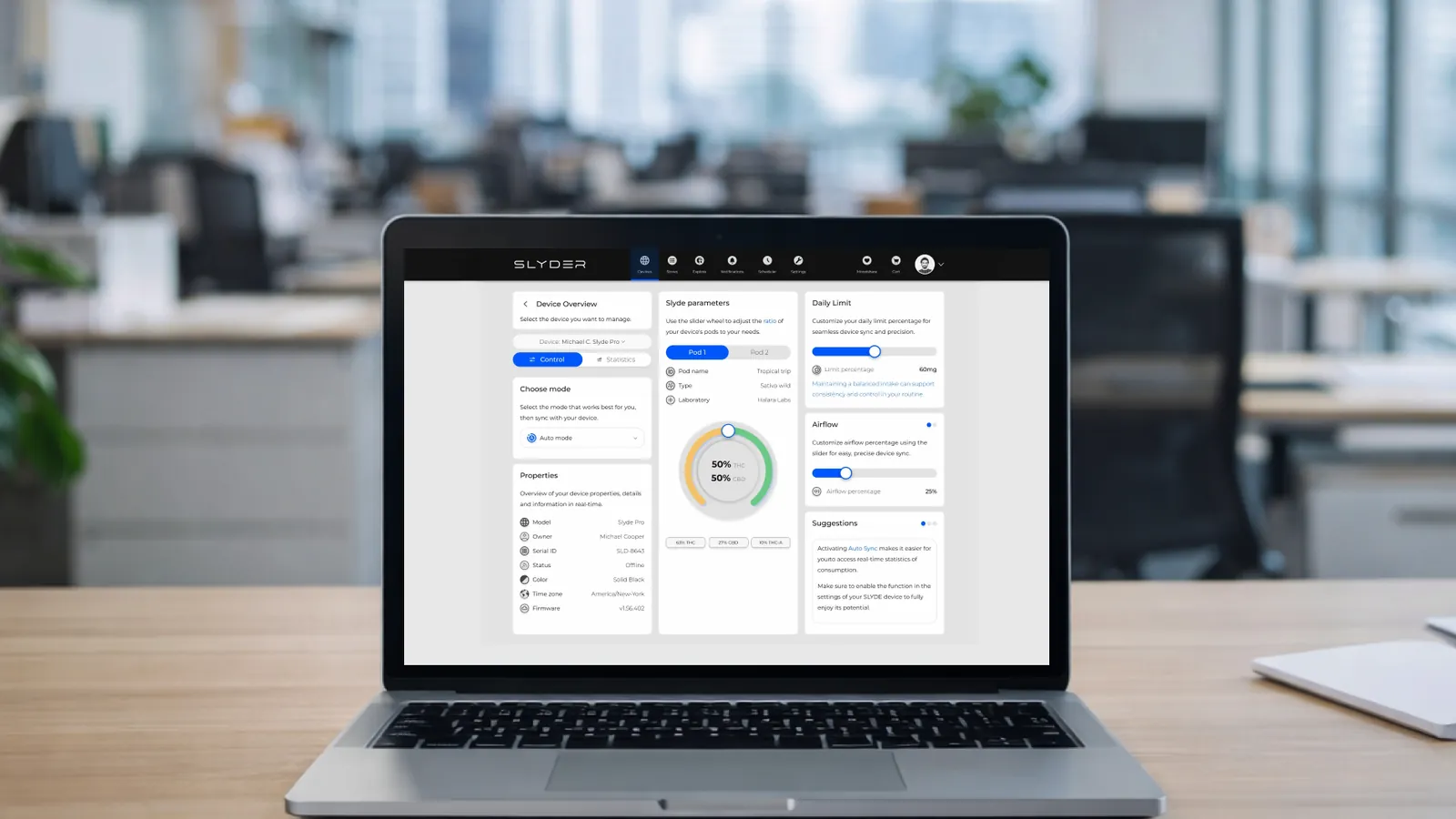
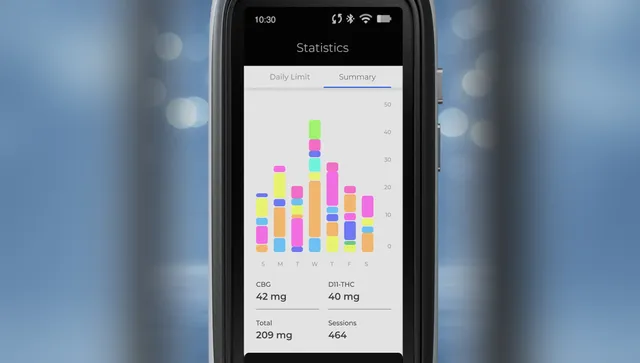
The dashboard isn’t there to throw numbers at you. It’s there to keep your usage from becoming a blur. Over time it organizes your:
- History: every session and draw, with the time it happened.
- Daily trends: estimated mg per day, split by compound.
- Daily limit: a reminder when you get close to the limit you set, never a block.
- Mood Share: rate how a session felt, if you choose to.
- Offline: the device keeps your sessions and syncs when it reconnects.
The mg numbers are estimates, a personal reference to compare your own days, the way a fitness tracker estimates calories.
It connects what you set with what you logged, so you can repeat what worked instead of rebuilding it from memory.
Why the ecosystem matters
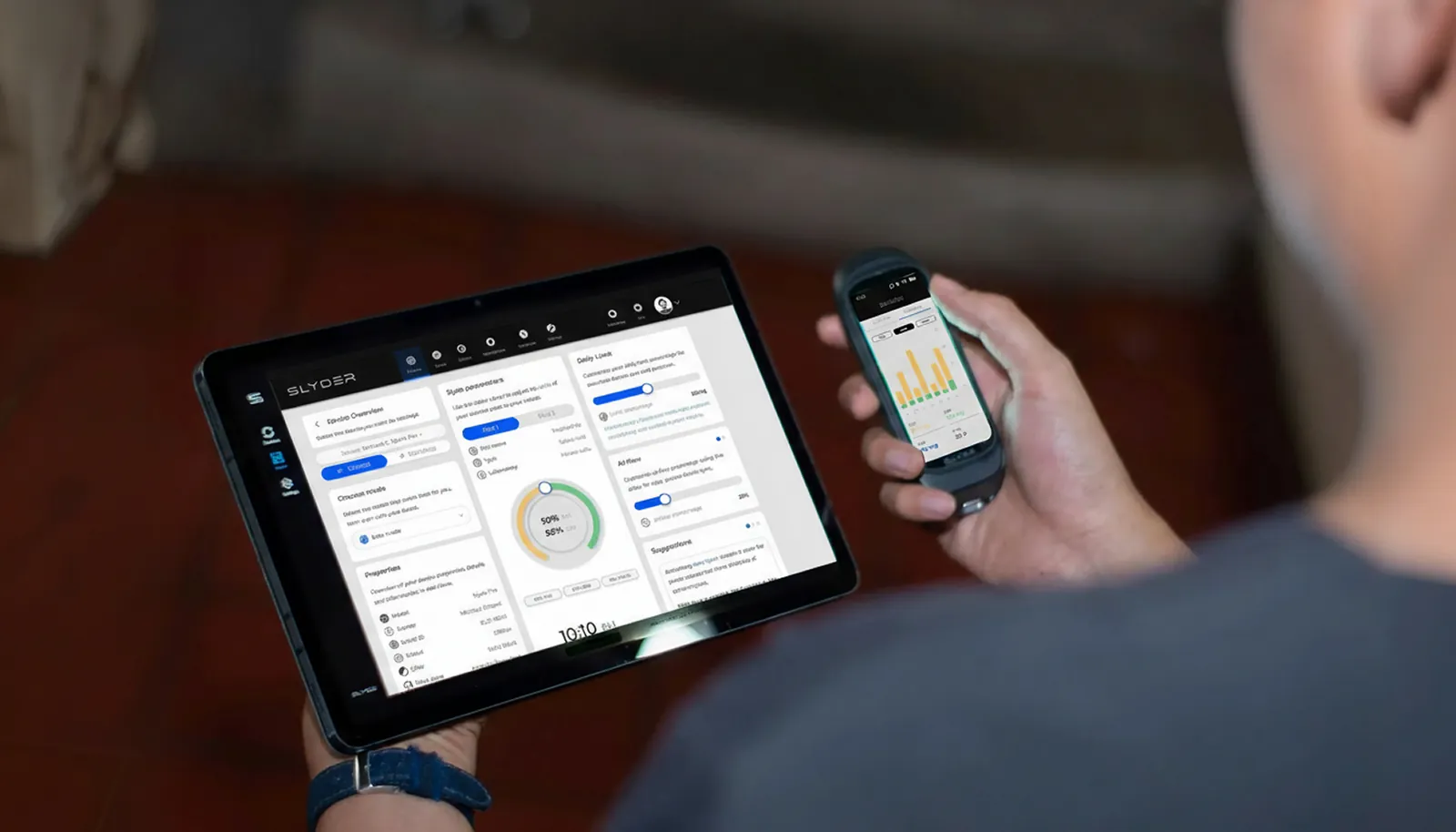
Switch formats or adapters and the setup stays connected. One device, one dashboard, one place where your settings and logs live together. The value is consistency across whichever adapter you use, without narrowing how you use Slyder Pro.
Think of the dashboard as the control center of the Slyder platform. The device captures; the dashboard is where it adds up.
Published by the Slyder Team
Explore more articles

Oct 19, 2026
Child Lock for Vapes: How a Password Lock Works
Most vapes lock with five clicks, and anyone can undo that. How a password lock is different.
Oct 19, 2026
Cart Not Hitting? How to Fix a Clogged, Burnt or Dry Cart
Most carts that stop hitting can be fixed in a minute. The usual causes, from the most common to the least, and what to do about each one.
Oct 19, 2026
Know Your Usual: How to Keep Track of How Much You Use
Habits are easy to forget. Simple ways to keep a log, compare your days, and keep track of a break if you take one.