October 16, 2026
Best Temperature for Live Rosin Carts: Degrees, Not Volts
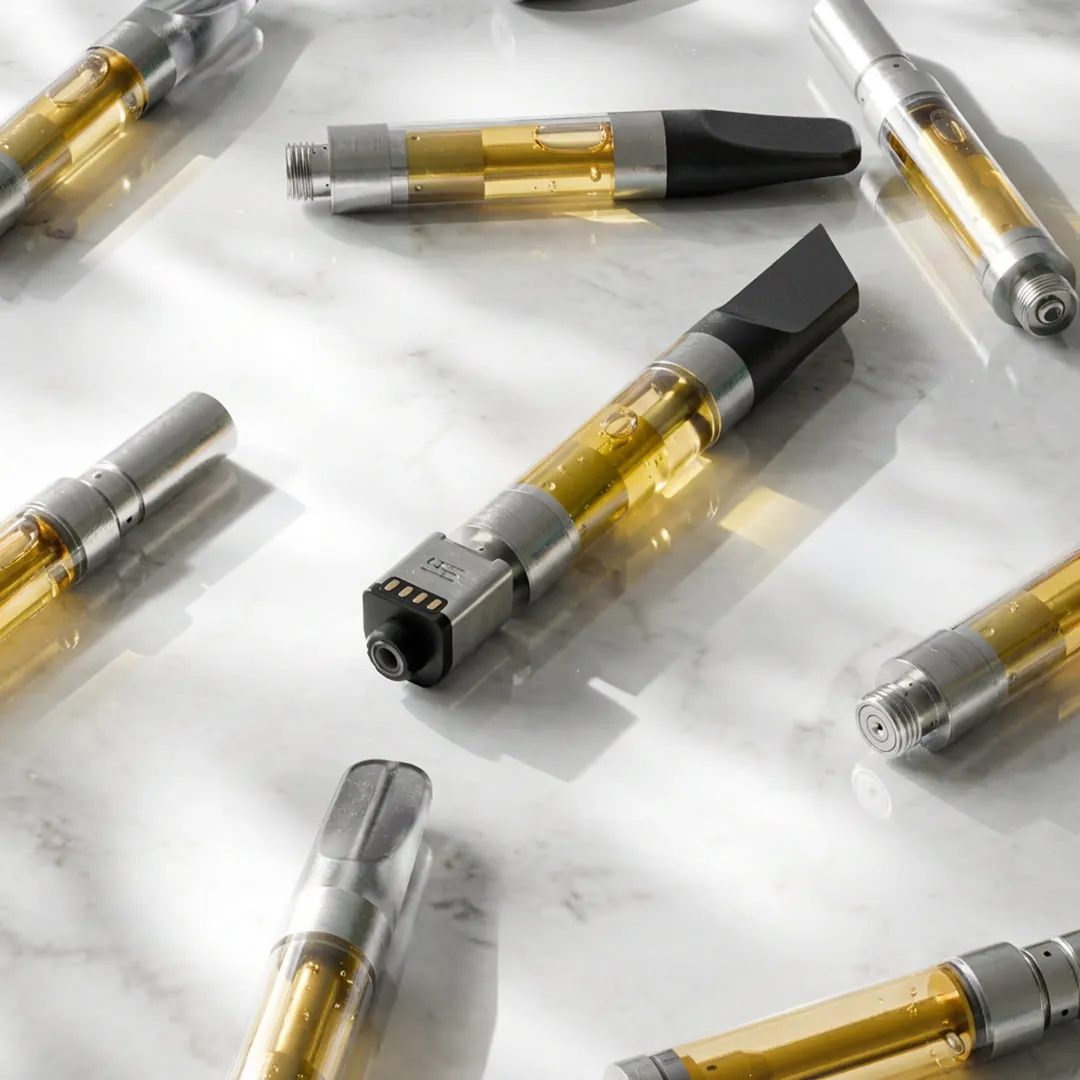
Live rosin is the cart you don't want to rush. It costs more than most, it carries the full smell of the plant it was pressed from, and too much heat can ruin it in one long pull.
So, what temperature should you use? Start around 350 °F, take a few normal draws, and adjust 10 degrees at a time. Most live rosin carts taste their best somewhere between 350 and 400 °F. Go much higher and the flavor fades while the hit gets harsh.
Here is why that range works, why a voltage number can't get you there on its own, and how to dial in a new cart in a few minutes.
Why live rosin likes gentle heat
Live rosin is made without solvents. Fresh frozen plants are washed into ice water hash, and the hash is pressed with heat and pressure until the oil comes out. Nothing is added to thin it, so what ends up in the cart is thick and full of aroma.
That aroma comes from terpenes, the compounds behind citrus, pine and floral notes. Many of them turn to vapor at fairly low temperatures. Limonene, the citrus one, boils at about 349 °F. Linalool, the floral one, at about 388 °F. Run a cart far above that and those notes are gone before they reach you. What is left tastes flat, then burnt.
Thickness matters too. Rosin moves slowly through the wick, especially when it's cold. If the coil heats faster than the oil can reach it, the wick runs dry and scorches. That is the burnt hit people get on the first long pull of a new cart.
Why volts don't tell you the temperature
Most 510 batteries let you pick a voltage, usually somewhere between 2 and 4 volts. Voltage is how hard the battery pushes power into the coil. It is not a temperature.
Every coil has its own resistance, so the same 3.0 volts can be gentle in one cart and scorching in the next. Heat also keeps building the longer you pull, and a cart that is almost empty heats differently from a full one. Two people can both use the right voltage and get completely different hits.
That is why voltage advice for live rosin is all over the place. Some people swear by 2.4 volts, others by 3.2. They are probably both right, for their own cart and battery.
How to dial in a live rosin cart
- Let it warm up. If the cart spent the night in a cold car, give it a few minutes at room temperature. Cold rosin barely moves.
- Preheat for a few seconds. A short burst of gentle heat loosens thick oil before the first pull, so the coil isn't working against a dry wick.
- Start low. 350 °F is a good first setting for most live rosin. If your battery only has voltage, start at its lowest setting and work up.
- Keep draws short and steady. Three or four seconds is plenty. Long pulls are where most carts burn.
- Adjust 10 degrees at a time. Flat or thin? Go up 10 °F. Harsh or peppery? Come down 10 °F. Change one thing at a time so you know what made the difference.
- Write down the number. When a cart tastes right, keep that setting. The next time you buy the same cart, you already know where to start.
What your cart is telling you
- Burnt or harsh taste: usually too hot, or a dry wick. Drop 10 to 20 °F, take shorter draws and preheat first.
- Weak hit, little flavor: usually too cool, or too much air. Go up 10 °F, or close the airflow a little.
- Gurgling, or no airflow: oil in the airway, often from cold. Warm the cart, preheat and clear the mouthpiece.
- Great first second, then flat: heat building through a long pull. Take shorter draws at a steady temperature.
How Slyder Pro handles live rosin
We built Slyder Pro around this problem. You set a temperature in degrees, and the device regulates the heat to hold it instead of pushing a fixed voltage, so it doesn't keep climbing through a long draw.
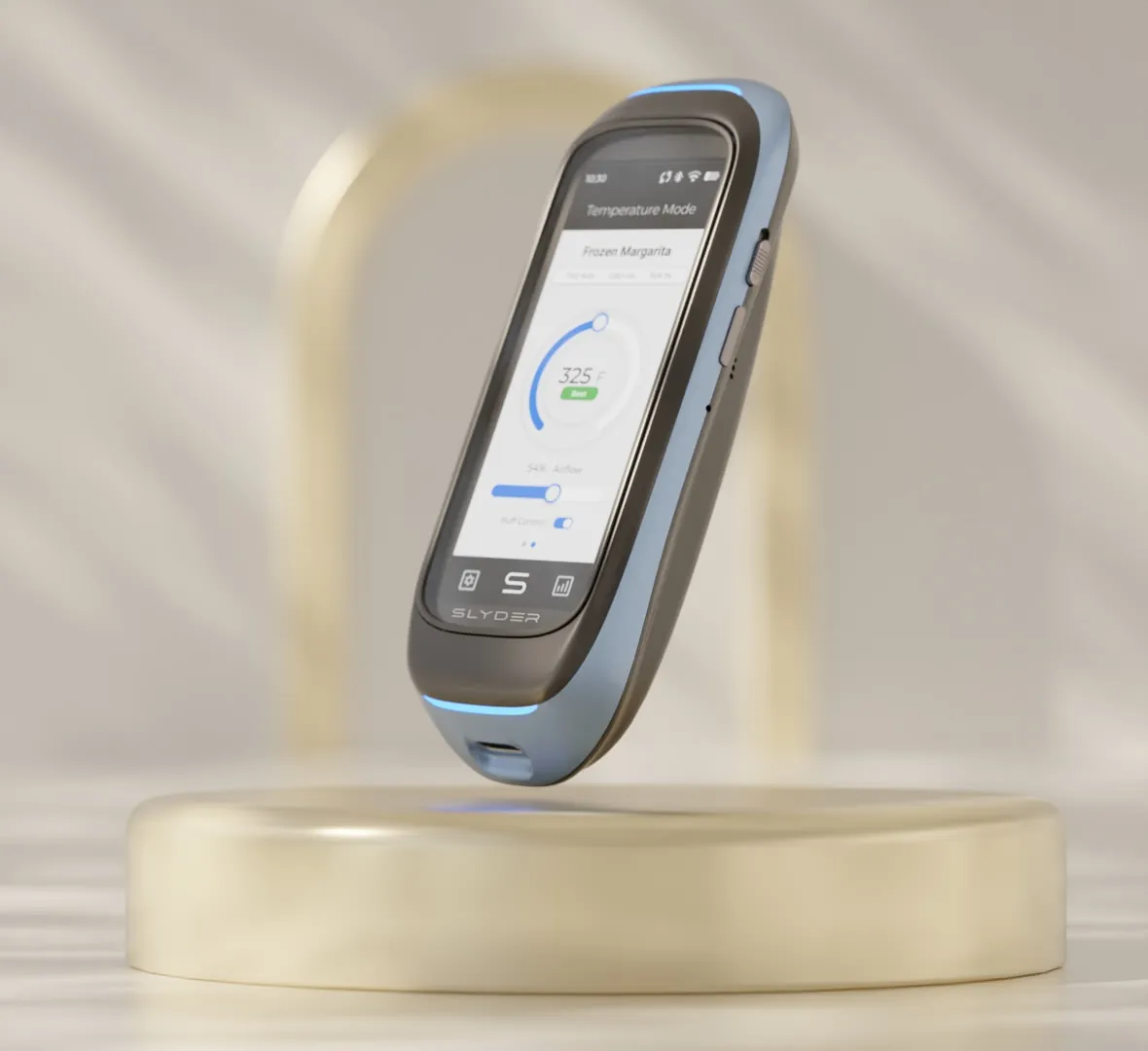
- Temperature from 240 to 420 °F, set on the touchscreen.
- Preheat from 3 to 20 seconds, for thick oil and cold carts. It also helps clear a cart that has started to clog.
- Airflow from 1 to 100 percent, so you can make a draw lighter or denser without touching the temperature.
- Set 510, to save a cart's name, brand and concentrate type once. Every session with it shows up in your history.
- A Voltage mode too, if you want to compare the two.
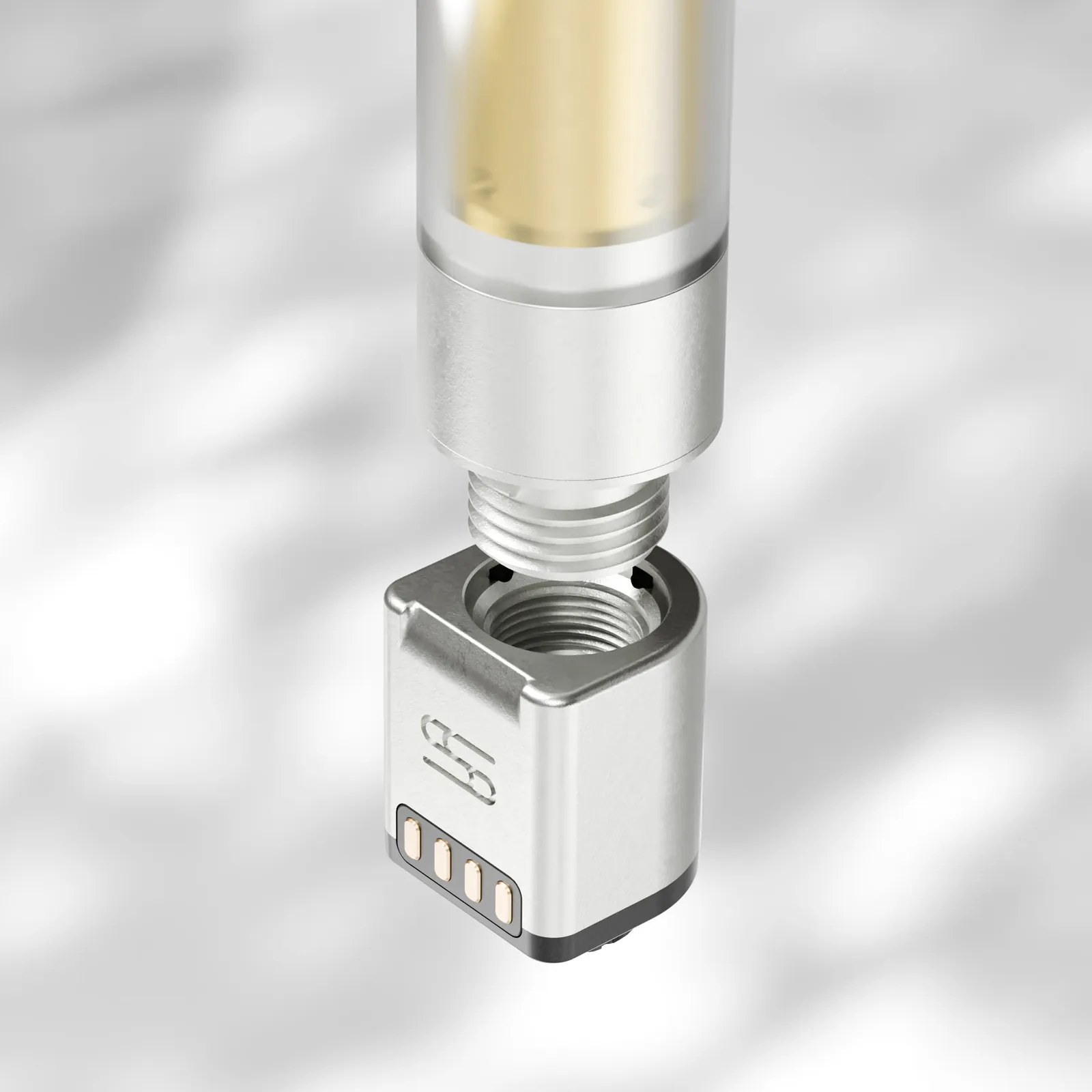
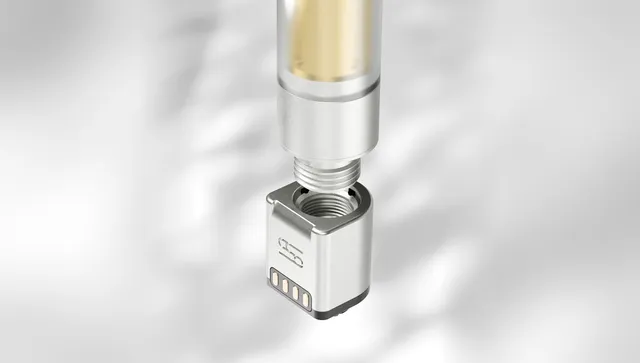
Any standard 510-thread cart works through the Smart 510 Adapter, which comes in the box with Slyder Pro.
Quick answers
What voltage should I use for live rosin carts?
If your battery only does voltage, start at the lowest setting, usually around 2.0 to 2.5 volts, and go up slowly. There is no universal number, because every coil responds differently.
Is live rosin the same as live resin?
No. Both start from fresh frozen plants, but live resin is extracted with solvents and live rosin is pressed with only heat and pressure. Rosin is usually thicker, which is why it likes gentle heat and a short preheat.
Why does my new live rosin cart taste burnt?
Usually the first pulls were too long or too hot and the wick dried out. Let the cart rest upright for a few minutes, lower the temperature and keep your draws short.
How should I store a live rosin cart?
Upright, at room temperature, away from heat and direct sun. Cold makes it sluggish, and heat can make it leak.
Start at 350, move in small steps, and keep the number that tastes right.
Published by the Slyder Team
Explore more articles
Oct 19, 2026
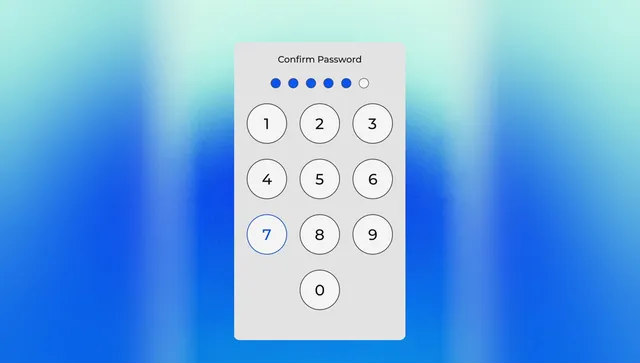
Child Lock for Vapes: How a Password Lock Works
Most vapes lock with five clicks, and anyone can undo that. How a password lock is different.
Oct 19, 2026
Cart Not Hitting? How to Fix a Clogged, Burnt or Dry Cart
Most carts that stop hitting can be fixed in a minute. The usual causes, from the most common to the least, and what to do about each one.
Oct 19, 2026
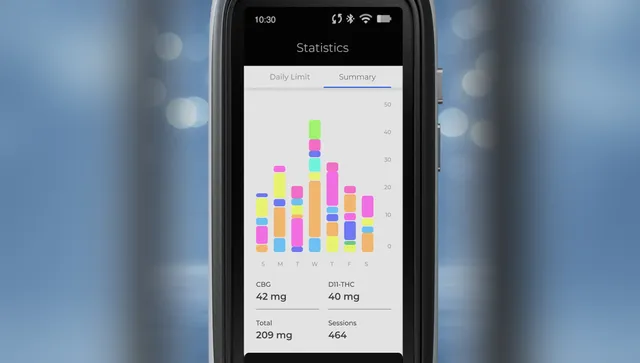
Know Your Usual: How to Keep Track of How Much You Use
Habits are easy to forget. Simple ways to keep a log, compare your days, and keep track of a break if you take one.